Dihexa (10mg) (x 30 Tablets)

A potent neurogenic compound often cited as being orders of magnitude stronger than BDNF, designed to repair synapses and improve cognitive function in neurodegenerative conditions.
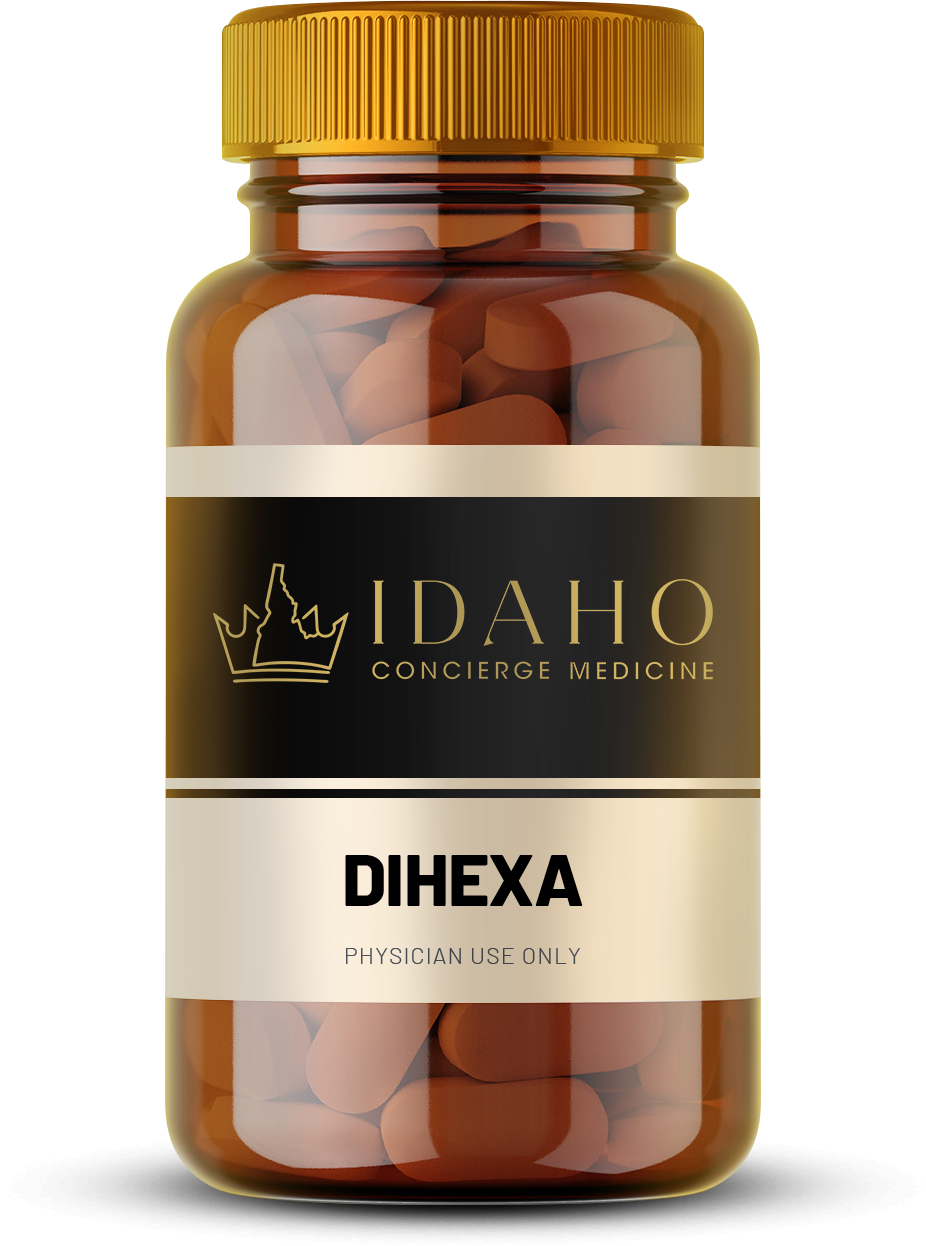
Dihexa (10mg) (x 30 Tablets)

Dihexa (10mg) (x 30 Tablets)

A potent neurogenic compound often cited as being orders of magnitude stronger than BDNF, designed to repair synapses and improve cognitive function in neurodegenerative conditions.

  • Starting at $499
Order Dihexa (10mg) (x 30 Tablets)

What Is Dihexa?

Dihexa is a research-derived neurogenic compound studied for its ability to promote synaptogenesis—the formation of new synaptic connections between neurons. It has been cited in preclinical research as significantly more potent than BDNF in stimulating synaptic growth pathways. By enhancing neural connectivity, Dihexa is designed to support memory formation, learning capacity, and cognitive performance.

  • Supports synapse formation and neural connectivity.
  • Promotes neuroplasticity and cognitive resilience.
  • Explored in research settings involving neurodegenerative conditions.

Who Can Benefit from Dihexa?

Dihexa may be considered for individuals focused on advanced cognitive optimization or neural restoration strategies.

  • Individuals experiencing cognitive decline or brain fog.
  • Longevity-focused patients prioritizing neural preservation.
  • Those exploring synaptic repair support under medical supervision.

OUR CLIENTS LOVE US - SEE WHAT THEY'RE SAYING

Frequently Asked Questions –
Your Concierge Healthcare, Simplified

Dihexa is believed to activate pathways involved in synaptogenesis, supporting the formation and strengthening of neural connections critical for learning and memory.

Preclinical studies have suggested Dihexa may stimulate synaptic growth at significantly lower concentrations than BDNF. However, human clinical data remains limited.

No. Dihexa is not FDA-approved for the treatment of neurodegenerative conditions and is considered investigational.

Responses vary. Cognitive changes, if experienced, are typically assessed over several weeks of monitored use.

No. Dihexa does not function as a stimulant. It targets neural growth and connectivity pathways rather than acute neurotransmitter stimulation.